By TOM MARQUARDT and PATRICK DARR
Wine producers and retailers know all too well that their sales are flagging. What was once a haymaker during the COVID crisis, when we were all stuck indoors, has dropped precipitously in the last year or so. Part of the reason is that baby boomers are the only generation still enjoying wine while the younger generation has turned to other beverages or refrained from alcohol altogether–only 29 percent of adults now say they consume wine at least every two to three months. But one unspoken reason we rarely see cited is cost.
 While retired baby boomers are sitting on more cash than any other generation, younger people are still struggling to make ends meet. Wine has become a luxury few can afford. Wine prices have risen 8 percent over the last decade, but tariffs have driven prices higher more recently. Production and shipping costs have also taken their toll.
In a recent Sovos analysis of direct-to-consumer shipping interest, year-over-year sales volume has dropped by 15 percent. While this has impacted all regions and grape varieties, the loss is most significant in California, where it totaled a staggering $142 million year over year. Notably, prices increased by 11 percent. The average cost of a shipped bottle of wine has risen to nearly $57.

Let us emphasize that these are bottles shipped from California to homes across the country and don’t necessarily reflect what is sold in retail stores. In fact, the average cost of a bottle of wine sold in a store is between $10 and $15, which is absurdly low. It’s hard to find a good bottle of wine under $20 nowadays.
 However, wine sales of $15 bottles dropped the most in the direct-to-consumer business. That means people who are shipping wine are generally spending more than the average consumer.
Here’s the Sovos summary of average bottle prices–rounded off–in 2025 in the direct-to-consumer category:
- Napa County: $100
- Sonoma: $38
- California Central Coast: $50
- California, other: $34
- Oregon: $53
- Washington State: $46
- U.S., other: $26
A bottle of riesling from New York is going to cost far less than a Napa Valley cabernet sauvignon, but maybe you don’t want riesling. You might, then, look to Sonoma or Paso Robles.
 Napa’s 9 percent increase reflects a region struggling to stay afloat amid inflationary cost increases and weaker demand. Cabernet sauvignon prices, for instance, soared 53 percent but volume dropped 26 percent. Those numbers don’t project a rosy future in the short term. By the end of this year, California winemakers will have pulled more than 40,000 acres of vines in an attempt to bring supply closer to demand.
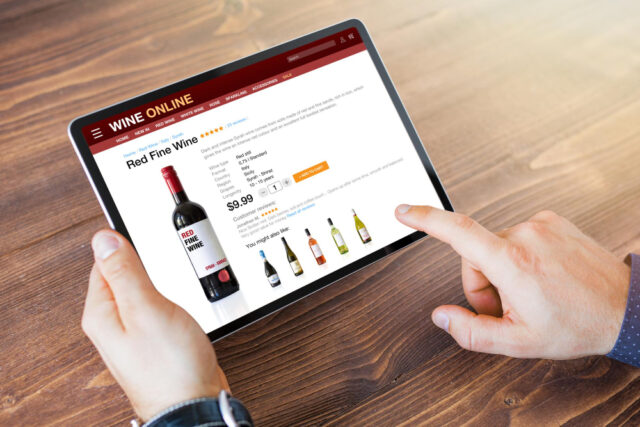
Just speaking from personal experience, we are finding better deals outside of the United States despite tariffs. Southern Rhone Valley, Spain, Italy and South American have great wines for significantly less money. And we are seeing great values from direct-to-consumer agents who follow the negociant model—CAM X, deNegoce, and others. They sell wine in lots that come from reputable producers with the understanding that they will not divulge their origins. In the case of CAM X, the wine is often sold before it is bottled, so consumers may have to wait months to receive their orders. But prices are much less than what the producer sets. Naked Wines and Underground Cellars have different models, but they too offer low-priced wine.
Companies like Wine Spies and Last Bottle sell heavily discounted wines from major producers.
In many cases you pay shipping costs for your orders and that alone may eliminate savings—unless shipping is free. Your best deal could be your local retailer—no shipping costs, case discounts, and frequent sales. Your local retailer can offer personal advice, find the right wine for a dinner and take back the wine if it is flawed—priceless value. And there’s no waiting around for the wine to arrive.
Savy shoppers aren’t turning to direct shipments like they used to because the value isn’t always there. Maybe they can get a wine that otherwise is unavailable to them locally, but using the direct-to-consumer option is not about saving money.
Alto Adige or Suditrol?
Italian residents (60 percent) call the northernmost region of Italy Alto Adige, while Germans prefer Südtirol. The winegrowing region borders Austria to the northeast and Switzerland to the northwest. Framed by the towering Alps, this region offers a unique selection of predominantly white table wines. We have also tasted the two dominant red grapes — Lagrein and Schiava, both indigenous to the area.
Following are our impressions of these three noteworthy white wines.
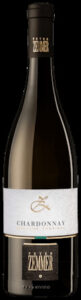
Peter Zemmer Chardonnay Alto Adige DOC Sudtirol 2023 ($18-20). A brilliant example of cool climate chardonnay. Bright apple nose with flavors of baked apple and citrus in the mouth.
Castel Sallegg Sauvignon Blanc Suditrol Alto Adige 2023 ($25-30). Herbal, grassy, gooseberry nose with grapefruity, lemon flavors and a smooth finish. Delightfully complex.
Manni Nossing Riesling Alto Adige Suditrol Eisacktaler DOC Valle Isarco 2023 ($30-35). This riesling struck us as very different from German styles of this grape. No diesel, peach and pear notes in a delightful creamy frame. Delightful.
Wine picks
Tenuta Sant’Antonio Amarone della Valpolicella “Antonio Castagnedi” 2020 ($53). As amarone goes, this is one of the best in recent tastings. Full-bodied and loaded with forward, ripe red berry fruit with tantalizing hints of tobacco, mocha and anise. It is a complex blend of corvina, corvinone, rondinella, croatina and oseleta.
Tenuta Sant’Antonio Monti Garbi Valpolicella Ripasso Superiore 2022 ($25). This bargain is your next best bet for a plate of hearty pasta bolognese. Comprised of corvina and corvinone with some rondinella, croatina and oseleta tossed into the mix, it’s chock full of red berry flavors and hints of spice.
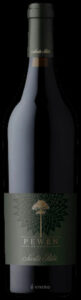
Santa Rita Pewen de Apalta Carmenere 2021 ($70). A lot of attention goes into this remarkable, concentrated carmenere from the Apalta region of Chile. Now the largest carmenere-producing region in the world, Chile has elevated the quality of this wine. Supple tannins show it can age. Dense, generous flavors of blackberries and plums with a dash of tobacco.
Disclaimer
Artificial Intelligence Disclosure & Legal Disclaimer
AI Content Policy.
To provide our readers with timely and comprehensive coverage, South Florida Reporter uses artificial intelligence (AI) to assist in producing certain articles and visual content.
Articles: AI may be used to assist in research, structural drafting, or data analysis. All AI-assisted text is reviewed and edited by our team to ensure accuracy and adherence to our editorial standards.
Images: Any imagery generated or significantly altered by AI is clearly marked with a disclaimer or watermark to distinguish it from traditional photography or editorial illustrations.
General Disclaimer
The information contained in South Florida Reporter is for general information purposes only.
South Florida Reporter assumes no responsibility for errors or omissions in the contents of the Service. In no event shall South Florida Reporter be liable for any special, direct, indirect, consequential, or incidental damages or any damages whatsoever, whether in an action of contract, negligence or other tort, arising out of or in connection with the use of the Service or the contents of the Service.
The Company reserves the right to make additions, deletions, or modifications to the contents of the Service at any time without prior notice. The Company does not warrant that the Service is free of viruses or other harmful components.