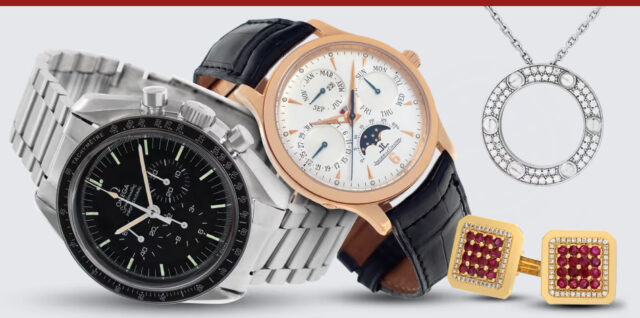
The first time a serious buyer holds a vintage Rolex Submariner in a dealer’s showroom, the impulse to buy it on the spot can be overwhelming. Almost irresistible, in fact. But something – maybe the slight hesitation in the dealer’s eyes when service history comes up – can make a careful buyer slow down. That pause can save a costly mistake.
Buying a pre-owned luxury watch is one of the most rewarding things a person can do for their wardrobe, their collection, and, honestly, their sense of self. But the market rewards patience and punishes urgency. Here’s what the experience of doing this the hard way tends to teach.
Know What You’re Actually Buying
A luxury watch is a mechanical object with a biography. Every pre-owned piece carries a history: service records, previous owners, repairs, and sometimes replacements of original parts. Before falling in love with a dial, it pays to understand the difference between “like new” and “unworn.” Dealers use these terms loosely, and they don’t always mean the same thing.
Ask specifically about:

- Whether the watch has its original box and papers (affects resale value significantly)
- Date and nature of last service
- Whether any parts – crown, crystal, bracelet links – have been replaced with non-original components
- Provenance, if the seller can provide it
Learn the Reference Numbers Cold
This sounds nerdy, but it matters. Every serious watch brand uses reference numbers to designate specific models, case sizes, dial variations, and production years. A Patek Philippe Calatrava from 1995 is not the same as one from 1971, even if they look identical in a photo. Knowing the reference number tells a buyer what they’re supposed to be looking at – and helps spot when something doesn’t add up.
There’s a well-worn story among seasoned collectors: spending two weeks researching a single reference before buying, only to have the watch arrive with a case back that didn’t match the production year for that ref. The return was immediate. Those two weeks of research paid for themselves many times over.
Where You Buy Matters as Much as What You Buy
The pre-owned market ranges from estate sales and auction houses to private sellers on forums and established specialty retailers. Each channel has its own risk profile.
Established dealers are generally the safer starting point. They typically authenticate before selling, offer some form of return or guarantee, and have a reputation to protect. Among the names that come up repeatedly in conversations among serious buyers, Gray and Sons Jewelers is one worth knowing – they specialize in pre-owned luxury watches and their inventory tends to attract people who want a physical dealer experience without flying to Switzerland. Checking their current stock and whatever guarantees they offer at the time of shopping is worthwhile.
Auction houses can yield great deals but require buyers to know the piece well beforehand – bidding momentum has a way of making people spend more than intended.
Condition Is Relative, But Authenticity Is Absolute
A few scratches on a bracelet? Acceptable, even charming – it means the watch was worn and loved. A repolished case that has lost its original brushed and polished surfaces? That’s a bigger deal, especially for collectors.
Authenticity, though, is non-negotiable. Counterfeit movements, frankenwatches (genuine cases with replaced dials or movements from other models), and “married” components from different production years are genuine risks in this market. For anyone spending serious money, a pre-purchase inspection from an independent watchmaker is worth every cent.
A few final practical tips:
- Buy the seller before buying the watch – reputation and transparency matter
- Don’t rush a deal because of artificial scarcity (“I have two other buyers interested”)
- Set a firm budget before starting to look; it’s easy to justify creep once emotionally invested
The Right Watch Comes Around More Than Once
The scarcity narrative is real for a handful of specific references, but for most pre-owned luxury watches, patience wins. If a deal feels rushed or a seller feels evasive, the right move is to walk away. Another example of that model will surface. The watch market moves in cycles, and good pieces reappear.
The goal isn’t just to own a nice watch. It’s to own the right one, at a price that feels right, from a source that can be trusted. That combination is worth waiting for.
This content is provided for informational purposes only. The opinions expressed are those of the author and do not reflect the views of Gray and Sons Jewelers. Nothing herein should be construed as investment advice or an endorsement of any particular asset.
Disclaimer
Artificial Intelligence Disclosure & Legal Disclaimer
AI Content Policy.
To provide our readers with timely and comprehensive coverage, South Florida Reporter uses artificial intelligence (AI) to assist in producing certain articles and visual content.
Articles: AI may be used to assist in research, structural drafting, or data analysis. All AI-assisted text is reviewed and edited by our team to ensure accuracy and adherence to our editorial standards.
Images: Any imagery generated or significantly altered by AI is clearly marked with a disclaimer or watermark to distinguish it from traditional photography or editorial illustrations.
General Disclaimer
The information contained in South Florida Reporter is for general information purposes only.
South Florida Reporter assumes no responsibility for errors or omissions in the contents of the Service. In no event shall South Florida Reporter be liable for any special, direct, indirect, consequential, or incidental damages or any damages whatsoever, whether in an action of contract, negligence or other tort, arising out of or in connection with the use of the Service or the contents of the Service.
The Company reserves the right to make additions, deletions, or modifications to the contents of the Service at any time without prior notice. The Company does not warrant that the Service is free of viruses or other harmful components.