Living with limb loss presents unique challenges that require comprehensive solutions and ongoing support. Whether facing above-elbow amputation or partial hand loss, individuals need access to advanced prosthetic technologies that restore both function and confidence. Understanding available options, fitting processes, and daily management strategies helps amputees make informed decisions about their prosthetic journey and long-term rehabilitation goals.
Understanding Above-Elbow Amputations
Above-elbow amputations, medically termed transhumoral amputations, involve the removal of the arm above the elbow joint. These amputations typically result from traumatic injuries, cancer, congenital conditions, or severe infections that compromise limb viability. The complexity of these cases requires sophisticated prosthetic solutions that replace multiple joint functions.
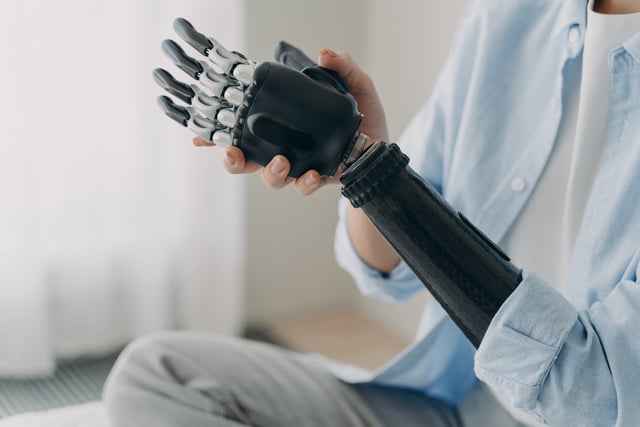
Modern above elbow prosthetic arm devices incorporate advanced mechanisms to replicate elbow and hand movements. These systems often feature body-powered or myoelectric controls, allowing users to operate multiple joints through coordinated muscle contractions or cable-operated mechanisms that respond to shoulder and chest movements.
Recovery from above-elbow amputation involves extensive rehabilitation phases. Initial healing focuses on residual limb conditioning, while later stages emphasize prosthetic training and functional adaptation. Successful outcomes depend on proper wound healing, muscle strength development, and psychological adjustment to the new reality of prosthetic use.

Types of Prosthetic Solutions Available
Prosthetic technology offers diverse solutions tailored to individual needs, activity levels, and personal preferences. Body-powered prosthetics use cables and harnesses to translate body movements into prosthetic function, providing tactile feedback and reliable operation in various environmental conditions. These systems typically cost less and require minimal maintenance.
Myoelectric prosthetics detect electrical signals from residual limb muscles and translate them into motorized movement. Advanced myoelectric systems offer proportional control, allowing variable grip strength and speed based on muscle signal intensity. Some models incorporate multiple grip patterns and wrist rotation capabilities for enhanced functionality.
Hybrid systems combine body-powered and myoelectric components to optimize the benefits of both technologies. Users might employ body power for elbow function while utilizing myoelectric control for hand operations, creating versatile solutions that adapt to different tasks and situations throughout daily activities.
Hand and Finger Replacement Options
Partial hand amputations pose distinct challenges that require specialized prosthetic approaches. Finger amputations, metacarpal losses, and partial palm injuries each demand unique solutions that preserve existing function while replacing lost capabilities. Modern prosthetic fingers offer remarkable dexterity and natural appearance for various amputation levels.
Individuals seeking prosthetic fingers near me can access custom-designed solutions that match skin tone, nail appearance, and proportional sizing. Silicone fingers provide excellent cosmetic results, while mechanical options offer functional grip capabilities. Some designs incorporate both aesthetic appeal and practical functionality for comprehensive restoration.
Activity-specific prosthetics cater to particular needs, including sports adaptations, work-related tools, and recreational equipment interfaces. These specialized devices attach to standard prosthetic systems, expanding functional possibilities and enabling participation in previously challenging activities. Custom fabrication ensures optimal fit and performance for individual requirements.
Technology Advances in Prosthetics
Recent technological developments have revolutionized prosthetic capabilities, introducing features that significantly enhance user experience. Neural interface systems capture nerve signals directly, providing more intuitive control and reducing training time required for prosthetic mastery. These advanced systems offer multiple grip patterns and individual finger control.
3D printing technology has transformed prosthetic manufacturing, enabling rapid prototyping, cost-effective production, and highly customized designs. Digital scanning creates precise residual limb models, ensuring optimal socket fit and comfort. This technology particularly benefits pediatric users who require frequent size adjustments as they grow.
Smart prosthetics incorporate sensors and artificial intelligence to automatically adjust grip strength based on object properties. These systems can detect slippage, adjust pressure, and even learn user preferences over time. Smartphone integration allows users to monitor battery life, adjust settings, and troubleshoot issues remotely.
Fitting and Adaptation Process
Prosthetic fitting involves multiple stages that require collaboration among prosthetists, physicians, therapists, and users. Initial consultations assess residual limb condition, skin integrity, muscle strength, and functional goals. Detailed measurements and casting provide the foundation for custom socket fabrication, ensuring comfort and security.
The fitting process includes several appointments for adjustments and modifications. The socket fit must accommodate changes in residual limb volume throughout the day while maintaining secure attachment and comfortable contact. Proper suspension systems prevent prosthetic slippage during activities while allowing easy donning and removal.
Training programs teach users proper prosthetic operation, maintenance procedures, and adaptive techniques for daily activities. Occupational therapy sessions focus on specific tasks like eating, writing, driving, and workplace activities. Gradual progression from basic movements to complex manipulations builds confidence and proficiency over time.
Daily Life with Prosthetic Devices
Successful prosthetic integration requires developing new movement patterns and adaptive strategies for routine activities. Morning routines might include prosthetic inspection, battery checks for myoelectric devices, and skin assessment for irritation or pressure points. Establishing consistent daily procedures promotes prosthetic longevity and prevents complications.
Work environments may require specific adaptations or alternative techniques for job-related tasks. Communicating with supervisors about accommodation needs helps ensure workplace safety and productivity. Many users benefit from ergonomic assessments and workstation modifications that optimize prosthetic function and reduce fatigue during extended use periods.
Social situations often involve educating others about prosthetic function and addressing curiosity or misconceptions. Building confidence in prosthetic use includes practicing in various environments and developing comfortable responses to questions. Support groups provide valuable peer connections and practical advice from experienced users.
Conclusion
Above-elbow and hand prosthetics represent remarkable achievements in rehabilitative technology, offering individuals comprehensive solutions to challenges of limb loss. From sophisticated myoelectric systems to cosmetic finger replacements, modern prosthetics provide options that restore both function and confidence. Successful prosthetic outcomes depend on proper fitting, comprehensive training, and ongoing support
Disclaimer
Artificial Intelligence Disclosure & Legal Disclaimer
AI Content Policy.
To provide our readers with timely and comprehensive coverage, South Florida Reporter uses artificial intelligence (AI) to assist in producing certain articles and visual content.
Articles: AI may be used to assist in research, structural drafting, or data analysis. All AI-assisted text is reviewed and edited by our team to ensure accuracy and adherence to our editorial standards.
Images: Any imagery generated or significantly altered by AI is clearly marked with a disclaimer or watermark to distinguish it from traditional photography or editorial illustrations.
General Disclaimer
The information contained in South Florida Reporter is for general information purposes only.
South Florida Reporter assumes no responsibility for errors or omissions in the contents of the Service. In no event shall South Florida Reporter be liable for any special, direct, indirect, consequential, or incidental damages or any damages whatsoever, whether in an action of contract, negligence or other tort, arising out of or in connection with the use of the Service or the contents of the Service.
The Company reserves the right to make additions, deletions, or modifications to the contents of the Service at any time without prior notice. The Company does not warrant that the Service is free of viruses or other harmful components.