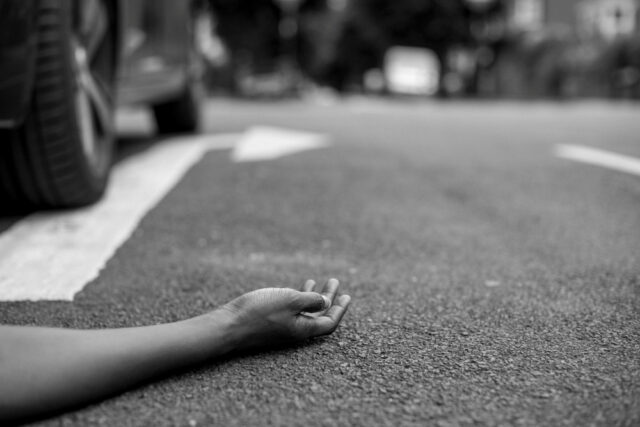
Walking is a normal part of life in Florida. People walk to the beach, cross busy roads, move through parking lots, and travel through neighborhoods that existed before today’s heavy traffic.
When pedestrian accidents occur, many people first look for context, sometimes seeking help from a Florida pedestrian accident lawyer, because they want to seek the justice they feel they deserve. In Florida, pedestrian accidents are uniquely likely to become life-altering, and the reasons go far beyond bad luck.
Florida’s Roads Were Not Built for People on Foot
Much of Florida’s infrastructure prioritizes speed and vehicle flow over walkability. Multi-lane roads cut through residential and commercial areas, intersections are wide, and crossing distances are long. For pedestrians, this creates prolonged exposure to moving traffic.
Even when someone follows the rules, using crosswalks, obeying signals, the design itself increases risk. A moment of driver inattention at 45 miles per hour can produce outcomes that the human body simply cannot absorb.

Speed Turns Minor Errors Into Major Trauma
Pedestrian accidents become life-changing largely because of distracted driving and speed. At lower speeds, a collision might cause serious but survivable injuries. At higher speeds, the margin for survival shrinks dramatically.
Florida consistently ranks among the states with the highest speed-related pedestrian injuries and nighttime pedestrian deaths. The difference between 30 and 50 miles per hour isn’t incremental; it’s exponential. Bones break differently. Organs absorb force differently. Recovery timelines shift from weeks to years, if recovery is possible at all.
The State’s Population Mix Creates Unique Risk
Florida roads are shared by:
- Tourists unfamiliar with local roads
- Older residents with slower reaction times
- Rideshare drivers under pressure to meet demand
- Pedestrians navigating unfamiliar or poorly marked areas.
This mix increases unpredictability. Visitors may not anticipate pedestrian-heavy zones. Pedestrians may misjudge traffic patterns. When these variables intersect, accidents are more likely and more severe.
Pedestrians Have No Protective Buffer
Unlike drivers, pedestrians have no airbags, no seatbelts, and no reinforced structure. When a collision happens, the body absorbs direct impact, followed by secondary trauma from hitting the ground or nearby objects.
Common life-altering injuries include:
- Traumatic brain injuries
- Spinal cord damage
- Pelvic and hip fractures
- Multiple orthopedic injuries requiring repeated surgeries
Even when someone survives, their ability to work, walk comfortably, or live independently can change permanently.
Delayed Symptoms Make Recovery More Complicated
Many pedestrian injuries don’t fully reveal themselves at the scene. Adrenaline masks pain. Head injuries can take days or weeks to show symptoms. Soft tissue damage can evolve into chronic conditions.
In Florida, delayed symptoms often collide with insurance timelines and expectations. When injuries worsen after initial treatment, people may find themselves struggling to explain why their condition no longer matches early reports.
This disconnect adds stress to an already overwhelming situation and can delay access to appropriate care.
Everyday Life Is Often the Hardest Part
The most profound changes from pedestrian accidents often appear outside the hospital. Survivors may face:
- Difficulty standing or walking for long periods
- Loss of confidence crossing streets or parking lots
- Inability to return to physically demanding jobs
- Dependence on others for transportation or daily tasks
These are not temporary inconveniences. They reshape routines, relationships, and identity.
Florida’s Climate Increases Exposure
Florida’s weather encourages year-round outdoor activity. People walk more months of the year, often early in the morning or after sunset, to avoid heat. Unfortunately, these are also times when visibility is reduced.
Low light, glare from wet roads, and sudden weather changes can reduce reaction time for drivers and pedestrians alike. The result is increased exposure to risk over a longer period of the year than in many other states.
Why “Life-Changing” Is Not an Exaggeration
For many Floridians, pedestrian accidents have changed:
- How do they earn a living
- How they move through public spaces
- How safe they feel doing ordinary things
These changes don’t always fade with time. They accumulate, shaping decisions long after bruises fade and casts come off.
Understanding the Pattern Matters and Taking Action
Florida pedestrian accidents often leave lasting physical, emotional, and financial consequences that extend far beyond the moment of impact. Understanding the patterns and factors behind these crashes is a critical part of reducing pedestrian deaths and injuries and creating safer communities for everyone who shares the road.
For individuals and families affected by these incidents, awareness is a powerful tool. When we all recognize the risks and the long-term impact of pedestrian accidents, we can all better appreciate why prevention, accountability, and informed decision-making matter when lives are permanently altered in an instant.
Disclaimer
Artificial Intelligence Disclosure & Legal Disclaimer
AI Content Policy.
To provide our readers with timely and comprehensive coverage, South Florida Reporter uses artificial intelligence (AI) to assist in producing certain articles and visual content.
Articles: AI may be used to assist in research, structural drafting, or data analysis. All AI-assisted text is reviewed and edited by our team to ensure accuracy and adherence to our editorial standards.
Images: Any imagery generated or significantly altered by AI is clearly marked with a disclaimer or watermark to distinguish it from traditional photography or editorial illustrations.
General Disclaimer
The information contained in South Florida Reporter is for general information purposes only.
South Florida Reporter assumes no responsibility for errors or omissions in the contents of the Service. In no event shall South Florida Reporter be liable for any special, direct, indirect, consequential, or incidental damages or any damages whatsoever, whether in an action of contract, negligence or other tort, arising out of or in connection with the use of the Service or the contents of the Service.
The Company reserves the right to make additions, deletions, or modifications to the contents of the Service at any time without prior notice. The Company does not warrant that the Service is free of viruses or other harmful components.