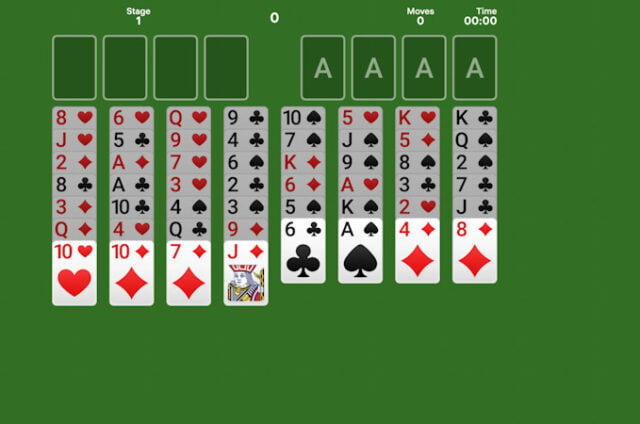
Most people think of free cell solitaire as a simple card game that fills a few spare minutes, but anyone who spends time with it knows it is much more than a casual distraction. The game quietly works your brain, sharpens your focus, and offers a refreshing reset without pulling you into a long, exhausting mental spiral. For students juggling deadlines or professionals switching between meetings, free cell solitaire becomes a surprisingly powerful way to recharge.
Unlike many digital break-time activities that drain attention or encourage mindless scrolling, free cell solitaire blends light entertainment with real cognitive benefits. It gives your brain something engaging to chew on, yet it remains calm and structured enough to soothe stress rather than add to it. If you want a break that leaves you mentally sharper instead of foggier, this classic card puzzle deserves a spot on your quick refresh list.
A Break That Feels Refreshing Instead of Draining
Many modern break activities are not really breaks. Checking messages, browsing social media, or watching video clips might feel relaxing for a moment, but they often leave your brain overstimulated. Instead of stepping away from stress, you simply shift into another kind of cognitive overload.
Free cell solitaire works differently. It is engaging, yet gentle. You are thinking, but not overthinking. You are solving a puzzle, but you control the pace. The game gives your mind something structured and simple to focus on, which helps push aside background stress.

Students often find that a few minutes of free cell solitaire helps them reset before returning to reading or writing assignments. Professionals appreciate that it clears mental fog between meetings or tasks. The puzzle requires enough attention to redirect your thoughts, but not so much that it drains your energy.
Think of it as a calm walk for your brain. It shifts your focus without creating more mental clutter.
Boosting Concentration with Light Cognitive Challenge
One of the reasons free cell solitaire works so well as a brain-boosting break is that it encourages focused thinking in small, manageable bursts. You need to pay attention to the layout, scan the cards, and plan a sequence of moves. It is not overwhelming, but it is demanding enough to refresh a tired mind.
This light cognitive challenge strengthens the same mental muscles that students and professionals use throughout the day. Concentration improves as your brain’s routines are regularly exercised. Just as stretching improves your flexibility, these brief bursts of mental focus help strengthen your attention span.
When you return to work or study, you often feel more alert and ready to dig in. Many players describe a noticeable boost in clarity after a short game.
Encouraging Strategic Thinking in a Low Pressure Setting
Free cell solitaire is one of those rare games in which nearly every deal is winnable. The odds are overwhelmingly in your favor, which removes the stress factor that many puzzle games carry. Instead of feeling defeated or pressured, you can enjoy the process of planning and experimenting.
The game rewards thoughtful play. You learn to evaluate moves, think ahead, and weigh alternatives. For students, this mirrors the kind of reasoning needed for problem solving or exam prep. For professionals, it echoes the kind of decision-making used in planning, organizing projects, or analyzing situations.
The difference is that the stakes are low. No one is grading your game. There are no deadlines. There is no pressure to achieve perfection. You are free to test ideas, undo moves, and try again.
This kind of strategic play feels playful rather than taxing, which is exactly why it makes such an effective mental break.
Strengthening Working Memory without Feeling Like Studying
Working memory is the mental storage space you use when juggling information. You rely on it when doing math in your head, taking notes during lectures, managing tasks at work, or remembering directions. Free cell solitaire is a surprisingly effective way to strengthen this skill.
When you play, you must keep several things in mind at once. You track where certain cards are buried, remember what sequences you intend to build, and note which free cells are available to use temporarily. You hold these details in your head as you move through the game.
It feels like fun, but your brain is actively practicing memory retrieval and short-term information management.
Students benefit from this because it improves study skills. Professionals benefit because it improves mental organization, especially when handling multiple responsibilities at once.
You are not drilling facts. You are simply playing a game that naturally stimulates the same mental functions used in everyday work.
A Calm Way to Practice Patience and Problem Solving
Unlike fast-paced games with constant flashing effects, free cell solitaire has a quiet rhythm. You take your time, scan the layout, and think through possibilities. Even though you are solving problems, the game promotes a slow and steady mindset.
This helps students who get overwhelmed by complex assignments. It helps professionals refocus when a project becomes challenging. Free cell solitaire is a small reminder that difficult problems can be approached step by step.
You learn the value of:
- Breaking large challenges into smaller steps
- Reviewing your plan before acting
- Staying patient when the answer is not immediately clear
- Undoing moves and trying again with a fresh angle
These lessons seep into everyday thinking. The game fosters a calm, logical approach to problem-solving without frustration.
Helping the Mind Switch Gears Between Tasks
Cognitive switching is the ability to transition from one task to another without losing efficiency. Students often struggle with this when moving between subjects or assignments. Professionals face it constantly throughout the workday as they shift between emails, meetings, and focused tasks.
Free cell solitaire works as a mental buffer. A short game gives your brain a structured transition period. You momentarily step away from heavy thinking, but you do not fall into complete mental drift. The game provides just the right level of engagement to help your mind refresh and shift gears.
This helps reduce the mental friction that many people feel when moving from one responsibility to the next. After a short break with free cell solitaire, your brain is more prepared to start fresh on a new task.
Reducing Stress Through Gentle Focus
Stress builds up when your thoughts feel cluttered or when you carry a mental load for too long. Free cell solitaire acts like a small mental reset button. The simple objective, the familiar card layout, and the calm pace make it a relaxing way to clear your mind.
You step into a small world where the rules are predictable and the goal is achievable. Nothing is rushed. Nothing is loud. The satisfaction of making a good move or freeing a trapped card gives your mind a tiny but meaningful reward. This reduces overall tension.
Students find that the game helps them unwind during intense study sessions. Professionals often use it to decompress after long work stretches.
The game creates a moment of peace, even if that peace lasts only a few minutes.
Building Confidence Through Small, Frequent Wins
Winning a game of free cell solitaire is satisfying because the victory feels earned. You analyzed the cards, made careful moves, and managed limited resources. When the foundation piles begin to grow, you feel genuine progress.
These small wins create a quiet confidence boost. It is not dramatic or boastful, but it reminds you that you are capable of solving problems and reaching goals.
Students can use this confidence when tackling tough assignments. Professionals can carry it into challenging tasks or presentations. A short game gives you a tiny sense of achievement that can brighten your day.
Little victories matter more than we realize, especially during stressful periods.
Offering Mindful Distraction Without Getting Addictive
Many games designed for quick breaks feature fast dopamine rewards that keep you playing longer than intended. You sit down for five minutes and suddenly thirty minutes disappear. Free cell solitaire is not built that way.
The game is absorbing, but it does not trap you. Once you finish a round, the session feels complete. You feel satisfied and ready to move on, not compulsively pulled into another lengthy stretch.
This makes it ideal for students and professionals who want a short break that stays short. You get the reset you need without derailing your productivity.
Encouraging Logical Thinking Without Heavy Mental Strain
Free cell solitaire encourages logical analysis. You learn to:
- Identify patterns
- Predict outcomes
- Sequence moves
- Understand constraints
- Think two or three steps ahead
Yet none of this feels heavy. The game guides you naturally into a thoughtful mindset without making you feel like you are studying or working.
This gentle mental exercise is especially useful for people who want to stay sharp without pushing themselves too hard during a break.
Easy Access and No Learning Curve
Another reason the game works well as a brain-boosting break is its simplicity. You do not need to study rules or follow complex instructions. The layout is intuitive, and even new players understand it within minutes.
Students appreciate being able to start instantly between study sessions. Professionals like that they can play whenever they have a small window, even if it is less than five minutes. There is no setup time and no pressure to commit to a full session.
You can start a game, play a few moves, and step away whenever you need to. The game fits into your schedule instead of demanding your time.
A Break That Helps You Return With More Focus
One of the most valuable benefits of free cell solitaire is how it helps you reenter your work or study session with more clarity. After a short game, your mind feels lighter, more organized, and more prepared.
You experience:
- Less mental wandering
- Sharper attention
- More energy
- Renewed motivation
This happens because your brain receives the perfect mix of distraction, challenge, and relaxation. The game restores balance without overwhelming your thoughts.
Students use it to restart a stalled study session. Professionals use it to reset between tasks or meetings. The game becomes a practical tool to maintain steady focus throughout the day.
Final Thoughts: A Small Game with Big Cognitive Benefits
Free cell solitaire may seem simple, but it offers a rare blend of relaxation and mental stimulation. It breaks up long stretches of concentration without pulling you into unproductive habits. It lets your brain slow down without shutting off. And it prevents burnout by offering a small, satisfying way to refresh your thoughts.
For students, the game becomes a reliable companion during long study hours. For professionals, it’s a quick reset that makes workdays more manageable. Free cell solitaire delivers the kind of break that boosts your brain instead of draining it.
In a world full of distractions that leave us mentally scattered, this classic card puzzle stands out as a thoughtful, calming, and surprisingly effective tool for staying sharp.
Disclaimer
Artificial Intelligence Disclosure & Legal Disclaimer
AI Content Policy.
To provide our readers with timely and comprehensive coverage, South Florida Reporter uses artificial intelligence (AI) to assist in producing certain articles and visual content.
Articles: AI may be used to assist in research, structural drafting, or data analysis. All AI-assisted text is reviewed and edited by our team to ensure accuracy and adherence to our editorial standards.
Images: Any imagery generated or significantly altered by AI is clearly marked with a disclaimer or watermark to distinguish it from traditional photography or editorial illustrations.
General Disclaimer
The information contained in South Florida Reporter is for general information purposes only.
South Florida Reporter assumes no responsibility for errors or omissions in the contents of the Service. In no event shall South Florida Reporter be liable for any special, direct, indirect, consequential, or incidental damages or any damages whatsoever, whether in an action of contract, negligence or other tort, arising out of or in connection with the use of the Service or the contents of the Service.
The Company reserves the right to make additions, deletions, or modifications to the contents of the Service at any time without prior notice. The Company does not warrant that the Service is free of viruses or other harmful components.