Food waste is something many of us want to avoid—but between busy schedules, confusing expiration dates, and forgotten leftovers, it can sneak up on even the most organized households. At the same time, keeping meals safe to eat is just as important as stretching your grocery budget.
The good news? Preventing food waste and keeping meals safe doesn’t require a total kitchen overhaul. With a few simple habits and clever storage tricks, you can save money, reduce waste, and feel confident about what you’re serving at the table.
Get Smart About Dates and Labels
One of the biggest causes of food waste in the U.S. is misunderstanding date labels. “Best by” and “use by” dates are usually about quality, not safety. Many foods are still perfectly safe to eat after these dates if they’ve been stored properly and show no signs of spoilage.
Trust your senses—look for mold, smell for sour or unusual odors, and check texture. If something seems off, it’s best to toss it, but don’t automatically throw food away just because the date passed yesterday.

Additionally, staying informed, including checking for updates on sites like the Taylor Farms recall info page, helps protect your household while making more informed choices about the food you buy and store.
Store Food the Right Way
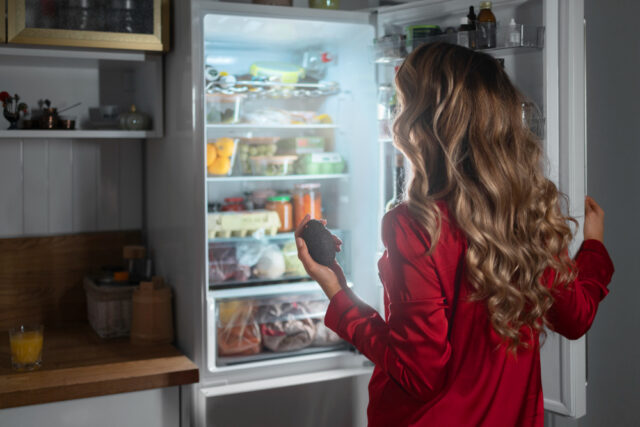
Proper storage can dramatically extend the life of your groceries. Keep your refrigerator at or below 40°F and your freezer at 0°F to slow bacterial growth. Use airtight containers to keep leftovers fresh longer and prevent odors from spreading.
In the fridge, place raw meat on the bottom shelf to avoid drips, and keep ready-to-eat foods higher up. In the pantry, store dry goods like rice, pasta, and cereal in sealed containers to protect them from moisture and pests.
Use the “First In, First Out” Rule
Restaurants rely on a simple system to reduce waste, and it works just as well at home. When you bring groceries home, move older items to the front of the fridge or pantry and place newer items behind them. This makes it more likely you’ll use food before it goes bad.
Labeling leftovers with the date they were cooked can also help you keep track of what needs to be eaten first—and avoid mystery containers lingering too long.
Plan Meals with Flexibility
Meal planning doesn’t have to be rigid; planning a few core meals each week helps prevent overbuying while still leaving room for flexibility. Choose ingredients that can be used in multiple dishes, such as roasted vegetables that work for dinner one night and lunch bowls the next day.
If plans change, adjust accordingly. Freeze uncooked meat, bread, or extra portions of meals you won’t get to right away instead of letting them spoil in the fridge.
Learn How to Love Your Freezer
Your freezer is one of the most powerful tools for reducing food waste. Many foods freeze beautifully, including cooked grains, soups, sauces, bread, and chopped vegetables. Freeze items in portion-sized containers so you can thaw only what you need.
For the best quality, wrap foods tightly and label them with the contents and date. While frozen food stays safe indefinitely, using it within a few months helps preserve flavor and texture.
Handle Leftovers Safely
Leftovers are a great way to save time and money, but they need to be handled properly. Refrigerate leftovers within two hours of cooking (or one hour if it’s a hot day), and reheat them to an internal temperature of 165°F.
As a general rule, eat refrigerated leftovers within three to four days. If you’re not sure you’ll get to them in time, freezing is a safer option.
Small Changes, Big Impact
Preventing food waste and keeping meals safe doesn’t require perfection—just awareness and a few smart habits. By understanding food labels, storing items properly, planning thoughtfully, and staying informed, you can make your kitchen more efficient and safer.
Over time, these small changes add up to less waste, lower grocery bills, and greater confidence in the meals you prepare. And that’s a win for your household—and the planet.
Disclaimer
Artificial Intelligence Disclosure & Legal Disclaimer
AI Content Policy.
To provide our readers with timely and comprehensive coverage, South Florida Reporter uses artificial intelligence (AI) to assist in producing certain articles and visual content.
Articles: AI may be used to assist in research, structural drafting, or data analysis. All AI-assisted text is reviewed and edited by our team to ensure accuracy and adherence to our editorial standards.
Images: Any imagery generated or significantly altered by AI is clearly marked with a disclaimer or watermark to distinguish it from traditional photography or editorial illustrations.
General Disclaimer
The information contained in South Florida Reporter is for general information purposes only.
South Florida Reporter assumes no responsibility for errors or omissions in the contents of the Service. In no event shall South Florida Reporter be liable for any special, direct, indirect, consequential, or incidental damages or any damages whatsoever, whether in an action of contract, negligence or other tort, arising out of or in connection with the use of the Service or the contents of the Service.
The Company reserves the right to make additions, deletions, or modifications to the contents of the Service at any time without prior notice. The Company does not warrant that the Service is free of viruses or other harmful components.