The efforts of maritime preservation in the United States provide insight into how waterways shaped trade, defense, and community identity across generations. As towns grew along rivers, bays, and coastlines, maritime industries helped define their character, economy, and outlook.
Today, preserving that heritage requires collaboration between experts, volunteers, historians, and the public. Challenges such as environmental wear and limited funding often slow progress, but dedicated individuals continue to serve as stewards of these historic treasures. Whether through hands-on restoration or educational outreach, Carmen Reid Alameda highlights how maritime preservation offers a unique way to honor history while inspiring future generations.
The Value of Maritime History
Maritime history reflects the development of coastal towns, commerce, and naval defense in the United States, offering insight into how waterways shaped the nation’s growth and communities through fishing, shipping, and exploration.
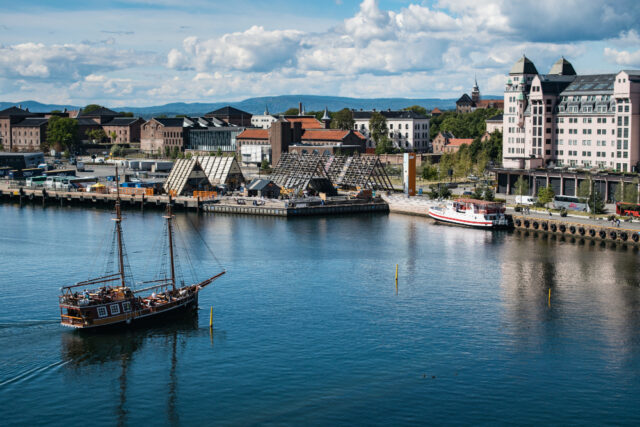
Sites like preserved tall ships, working waterfronts, and maritime museums help people visualize past eras. They connect modern audiences to the tools, stories, and industries that fueled economic and cultural change. Visitors often leave with a renewed appreciation for the vital maritime traditions that remain alive, even in a modern world.

Ongoing Challenges in Maritime Preservation
Preserving maritime history comes with snags. Many historic vessels suffer from decades of exposure to saltwater, wind, and sun, which weaken wooden hulls and corrode metal fittings. Structures such as lighthouses and boat sheds also deteriorate over time, especially when maintenance is delayed or overlooked. Climate change and rising sea levels now add a new layer of urgency to these preservation efforts.
Restoration work often demands specialized expertise, costly materials, and long-term dedication. Without consistent funding, museums and preservation groups struggle to prioritize urgent repairs or exhibit upkeep. Additionally, many artifacts lack proper documentation, making it difficult to fully interpret their historical context or ensure their stories are accurately shared.
The Role Volunteers Play
Volunteers are often the backbone of maritime preservation efforts. Their work enables many organizations to remain open and active. In smaller maritime museums and historic sites, volunteers may be the only hands available to support daily operations.
At sites like historic shipyards or decommissioned naval vessels, volunteers contribute hundreds of hours restoring rigging, repairing decks, and conserving equipment. Many volunteers return year after year, forming lifelong bonds with both the sites and each other. Without their support, many preservation efforts would face serious setbacks.
Skills That Strengthen Preservation Efforts
Maritime preservation attracts individuals from all walks of life. Veterans with naval experience, engineers accustomed to mechanical systems, and students with a passion for history each bring something unique to the table. Some volunteers arrive with specialized skills, while others acquire them through hands-on experience and guided training.
Workshops and mentorship programs often help volunteers develop the expertise required for tasks like sail repair, woodwork, or historical research. Over time, these skilled contributions translate into meaningful progress on restoration projects. The transfer of knowledge from experienced hands to newcomers ensures that these skills aren’t forgotten.
Building Connections Through Volunteer Work
Volunteering strengthens the ties between individuals and their maritime roots. When people engage in preserving their shoreline heritage, they often gain a deeper appreciation for the stories that shaped their region. Whether leading a tour through a historic vessel or helping archive old ship logs, volunteers help keep history alive and relevant. Their involvement becomes a way of honoring the past while securing its place in the present.
Schools frequently partner with maritime organizations to bring students into contact with history. These experiences spark curiosity and give younger generations a tangible link to the past. Communities often rally around restoration projects, using them as opportunities to celebrate their identity and build long-lasting civic pride. Events like boat-launch ceremonies or anniversary commemorations can become cherished annual traditions.
Keeping Volunteer Support Strong
Recruiting and retaining volunteers requires planning. Outreach through local events, social media, and educational programs can attract new faces while reminding the broader community of the value of maritime preservation. Flexible opportunities, such as remote research or digital archiving, help include those who may not live near the coast. Offering training and clear roles also helps new volunteers quickly feel like valued contributors.
Maintaining volunteer interest also means recognizing their contributions and offering meaningful roles. When individuals feel their time is well-spent and appreciated, they’re more likely to stay involved. Over time, this consistent support becomes the foundation that allows preservation efforts to endure and grow. Appreciation events, newsletters, and small gestures of thanks can go a long way toward keeping morale high and involvement steady.
Disclaimer
Artificial Intelligence Disclosure & Legal Disclaimer
AI Content Policy.
To provide our readers with timely and comprehensive coverage, South Florida Reporter uses artificial intelligence (AI) to assist in producing certain articles and visual content.
Articles: AI may be used to assist in research, structural drafting, or data analysis. All AI-assisted text is reviewed and edited by our team to ensure accuracy and adherence to our editorial standards.
Images: Any imagery generated or significantly altered by AI is clearly marked with a disclaimer or watermark to distinguish it from traditional photography or editorial illustrations.
General Disclaimer
The information contained in South Florida Reporter is for general information purposes only.
South Florida Reporter assumes no responsibility for errors or omissions in the contents of the Service. In no event shall South Florida Reporter be liable for any special, direct, indirect, consequential, or incidental damages or any damages whatsoever, whether in an action of contract, negligence or other tort, arising out of or in connection with the use of the Service or the contents of the Service.
The Company reserves the right to make additions, deletions, or modifications to the contents of the Service at any time without prior notice. The Company does not warrant that the Service is free of viruses or other harmful components.