South Florida remains one of the most competitive rental markets in the United States. With steady population growth, high demand for coastal living, and rising property costs, landlords have become increasingly careful when screening tenants. As we move into 2026, proof of income requirements for renters in South Florida are more detailed and more strictly enforced than ever before. Understanding what landlords expect can make the difference between securing a lease quickly and losing out to another applicant.
Why Proof of Income Matters More Than Ever
In cities such as Miami, Fort Lauderdale, and West Palm Beach, rental prices have continued to increase over the past few years. Property owners want assurance that tenants can consistently meet monthly rent obligations without financial strain. Proof of income helps landlords reduce the risk of late payments, lease breaks, and evictions.
In 2026, many landlords are also dealing with higher insurance costs, property taxes, and maintenance expenses. These factors make reliable rental income essential. As a result, income verification has shifted from a basic formality to a core part of the tenant screening process.
Standard Income Thresholds in South Florida
Most South Florida landlords still follow the general rule that renters should earn at least three times the monthly rent in gross income. For example, if rent is $2,500 per month, the applicant should earn $7,500 per month before taxes.

However, this ratio can vary. Luxury apartments and high-demand neighborhoods may require higher income multiples, while smaller landlords may be more flexible if other aspects of the application are strong. In 2026, it is increasingly common for landlords to evaluate overall financial stability rather than income alone.
Common Documents Landlords Expect
Renters should be prepared to submit clear and verifiable documentation. The most commonly accepted forms of proof of income include:
Recent pay stubs covering the last one to two months
An offer letter or employment verification letter
Bank statements showing regular deposits
Tax returns for self-employed applicants
Social Security, pension, or disability benefit statements
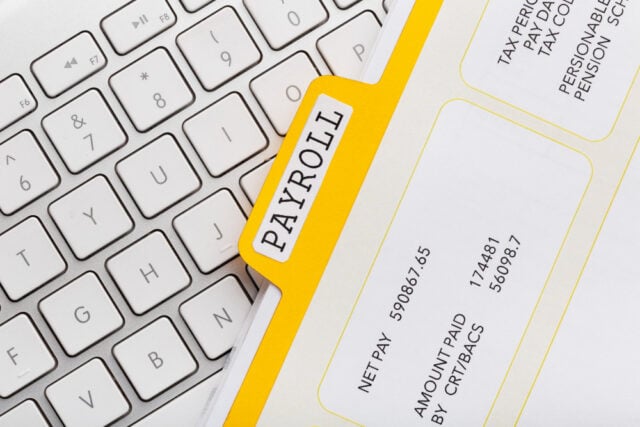
For traditional employees, pay stubs remain the gold standard. Many landlords prefer consistent documentation that shows both earnings and deductions. This is where organized pay stub templates can be helpful, as they present income information in a clear and familiar format that property managers recognize.
Self-Employed and Gig Workers Face Higher Scrutiny
South Florida has a large population of freelancers, contractors, and gig economy workers. In 2026, landlords are more open to these income sources, but they often require additional documentation.
Self-employed renters may need to provide two years of tax returns, profit and loss statements, and recent bank statements. Some landlords may also ask for client contracts or invoices to confirm ongoing work. Using a pay stub generator can help independent workers present their income in a structured way, especially when combined with tax documents.
Digital Verification and Fraud Prevention
Landlords in South Florida are increasingly using digital screening tools to verify income. Many property management companies now cross-check documents with employment databases, payroll systems, and credit reports. Fraud detection has become more advanced, making accuracy and honesty critical.
Submitting incomplete or inconsistent proof of income can delay approval or result in automatic rejection. Renters should double-check that all documents match in terms of employer name, income figures, and dates.
Alternative Options for Renters Who Fall Short
Not every renter meets income requirements perfectly. In these cases, landlords may allow alternative solutions. Common options include:
- A qualified co-signer or guarantor
- Paying a higher security deposit where legally allowed
- Prepaying several months of rent
- Providing proof of substantial savings
In South Florida, some landlords are open to flexibility if the applicant has excellent credit, a stable employment history, or significant assets. Clear communication and transparency can go a long way during the application process.
How Renters Can Prepare in Advance
Preparation is key in a competitive rental market. Renters should organize their income documentation before starting their apartment search. Keeping recent pay stubs, bank statements, and tax records easily accessible can speed up the approval process.
For those who recently changed jobs, obtaining an official offer letter with salary details can be especially helpful. Freelancers and contractors should maintain accurate records of income and expenses throughout the year to avoid last-minute scrambling.
What to Expect Moving Forward
Looking ahead, proof of income requirements in South Florida are likely to become even more standardized. As technology improves, landlords will continue to rely on digital verification tools and stricter screening criteria. Renters who understand these expectations and prepare accordingly will be in a much stronger position.
In 2026, successful rental applications are less about luck and more about readiness. By knowing what landlords are looking for and presenting income documentation clearly and professionally, renters can navigate the South Florida market with confidence and secure housing that fits their needs and budget.
Disclaimer
Artificial Intelligence Disclosure & Legal Disclaimer
AI Content Policy.
To provide our readers with timely and comprehensive coverage, South Florida Reporter uses artificial intelligence (AI) to assist in producing certain articles and visual content.
Articles: AI may be used to assist in research, structural drafting, or data analysis. All AI-assisted text is reviewed and edited by our team to ensure accuracy and adherence to our editorial standards.
Images: Any imagery generated or significantly altered by AI is clearly marked with a disclaimer or watermark to distinguish it from traditional photography or editorial illustrations.
General Disclaimer
The information contained in South Florida Reporter is for general information purposes only.
South Florida Reporter assumes no responsibility for errors or omissions in the contents of the Service. In no event shall South Florida Reporter be liable for any special, direct, indirect, consequential, or incidental damages or any damages whatsoever, whether in an action of contract, negligence or other tort, arising out of or in connection with the use of the Service or the contents of the Service.
The Company reserves the right to make additions, deletions, or modifications to the contents of the Service at any time without prior notice. The Company does not warrant that the Service is free of viruses or other harmful components.