With households across the country facing rising utility costs, families are looking for practical ways to cut expenses without sacrificing comfort. Much of that effort starts with small seasonal routines, from checking air filters to prepping your furnace before cooler months arrive, that help systems run more efficiently throughout the year. But beyond routine maintenance, there are dozens of smart, simple strategies homeowners can use to keep energy bills under control in 2026.
Saving energy isn’t just about reducing monthly costs. It also supports better household comfort, improves long-term appliance performance, and contributes to environmental sustainability. Here are some effective ways to make your home more energy-efficient without major renovations or a complicated setup.
Adjust Your Thermostat Strategically
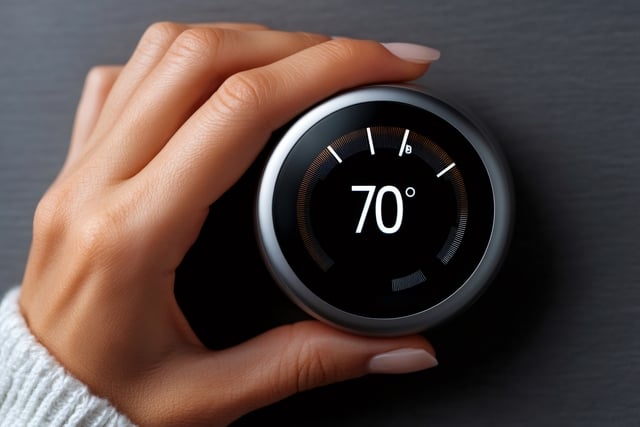
One of the easiest ways to make an immediate impact on energy costs is adjusting your thermostat settings. Even small changes, just a few degrees, can reduce heating and cooling bills significantly.
The U.S. Department of Energy notes that lowering your thermostat by 7 to 10 degrees for eight hours a day can save up to 10% annually on heating and cooling. Smart thermostats make this even easier by learning your schedule and adjusting temperatures automatically.

Try these habits:
– Raise the temperature slightly during summer when you’re away.
– Lower it during winter nights or when the home is unoccupied.
– Use programmable or smart thermostats to automate the process.
Temperature adjustments cost nothing, yet deliver meaningful savings over time.
Focus on Insulation and Draft Control
Air leaks undermine even the best energy strategies. Warm and cool air escapes through small gaps around windows, doors, chimneys, and crawl spaces, forcing HVAC systems to work harder.
Fortunately, draft control doesn’t require expensive upgrades. Simple steps can make a major difference:
– Use weatherstripping around doors and windows.
– Seal gaps with caulk or foam sealant.
– Install door sweeps to block under-door air exchange.
– Add insulating curtains that reduce heat transfer.
Improved insulation stabilizes indoor temperatures, helps heating and cooling systems run more efficiently, and reduces the strain on appliances throughout the year.
Maintain Your HVAC System All Year Long
Keeping your heating and cooling systems in good condition is one of the most effective ways to reduce household energy costs. Seasonal tune-ups extend the life of your equipment and help systems work at peak efficiency.
Your HVAC routine should include:
– Changing air filters every one to three months
– Clearing debris from outdoor units
– Checking ductwork for leaks
– Scheduling professional tune-ups before heavy-use seasons
Whether you’re preparing for summer heat or prepping your furnace for fall, routine maintenance ensures your system doesn’t waste energy, or money.
Make Use of Fans and Natural Ventilation
Fans don’t cool the air, but they make rooms feel cooler by moving air across the skin, reducing the need for heavy air conditioning. Ceiling fans, floor fans, and window fans can help circulate air more effectively.
Helpful strategies include:
– Running ceiling fans counterclockwise in summer
– Opening windows on cooler days for natural ventilation
– Using exhaust fans to eliminate humidity in kitchens and bathrooms
Good airflow helps your AC system work less while keeping your home comfortable.
Upgrade to Energy-Efficient Appliances When Possible
While replacing appliances isn’t always feasible immediately, planning upgrades around energy efficiency can create long-term savings. Today’s energy-efficient refrigerators, washers, dryers, and HVAC units use significantly less power than older models.
Look for:
– ENERGY STAR certified products
– Appliances with high Seasonal Energy Efficiency Ratios (SEER)
– Units with advanced sensors that adapt power usage to demand
Energy-efficient appliances often pay for themselves through reduced operating costs.
Switch to LED Lighting
Lighting accounts for a notable portion of home energy use, especially in larger homes. LEDs use much less energy and last far longer than incandescent bulbs, making them an easy, low-cost upgrade.
Benefits of LEDs include:
– Lower wattage and energy use
– Reduced heat output
– Long lifespan (often over a decade)
– More consistent brightness
Replacing the bulbs in your most frequently used fixtures can generate quick savings.
Reduce Hot Water Usage
Water heating is one of the highest energy expenses in many homes. Even modest adjustments to how you use hot water can reduce monthly bills.
Try:
– Lowering the water heater temperature to 120°F
– Using cold water for most laundry loads
– Running full dishwasher and washing machine loads
– Installing low-flow showerheads
These simple habits reduce water-heating costs without significantly changing your lifestyle.
Use Window Treatments to Control Temperature
Windows are the biggest source of heat gain in summer and heat loss in winter. Proper window treatments help regulate indoor temperature and reduce pressure on HVAC systems.
Effective options include:
– Blackout curtains
– Honeycomb/thermal shades
– Reflective or UV-blocking window films
– Exterior shading solutions
These treatments protect both energy use and furniture by limiting sun exposure.
Harness Smart Technology for Better Control
Modern smart-home devices provide real-time data and automated adjustments that help reduce energy waste. These tools are now more affordable and accessible than ever.
Popular options include:
– Smart thermostats
– Smart plugs for shutting down unused electronics
– Energy-monitoring apps
– Smart power strips that eliminate phantom energy use
By giving you more visibility into your consumption, these devices help you make informed energy-saving decisions.
Consider Small Lifestyle Tweaks
Energy savings aren’t only about equipment and infrastructure. Daily habits can shift costs significantly.
Try incorporating:
– Air-drying clothes more often
– Cooking with smaller appliances (air fryers, microwaves)
– Unplugging chargers when not in use
– Opening curtains on winter mornings for natural heat
– Using shade and insulation to reduce summer cooling needs
When practiced consistently, these small changes contribute to meaningful annual savings.
Saving Energy in 2026 Is About Working Smarter, Not Harder
Energy costs are influenced by dozens of factors, from seasonal weather patterns to home design, but saving money doesn’t have to be complicated. By focusing on efficiency, routine maintenance, and smart home habits, families can reduce their monthly bills without sacrificing the comfort that makes home life enjoyable.
Whether you’re adjusting thermostat settings, upgrading appliances, or simply prepping your furnace before colder days arrive, each step helps build a more efficient, cost-effective home. With the right strategies in place, 2026 can be the year when your household energy costs finally feel manageable, and your home feels better than ever.
Disclaimer
Artificial Intelligence Disclosure & Legal Disclaimer
AI Content Policy.
To provide our readers with timely and comprehensive coverage, South Florida Reporter uses artificial intelligence (AI) to assist in producing certain articles and visual content.
Articles: AI may be used to assist in research, structural drafting, or data analysis. All AI-assisted text is reviewed and edited by our team to ensure accuracy and adherence to our editorial standards.
Images: Any imagery generated or significantly altered by AI is clearly marked with a disclaimer or watermark to distinguish it from traditional photography or editorial illustrations.
General Disclaimer
The information contained in South Florida Reporter is for general information purposes only.
South Florida Reporter assumes no responsibility for errors or omissions in the contents of the Service. In no event shall South Florida Reporter be liable for any special, direct, indirect, consequential, or incidental damages or any damages whatsoever, whether in an action of contract, negligence or other tort, arising out of or in connection with the use of the Service or the contents of the Service.
The Company reserves the right to make additions, deletions, or modifications to the contents of the Service at any time without prior notice. The Company does not warrant that the Service is free of viruses or other harmful components.