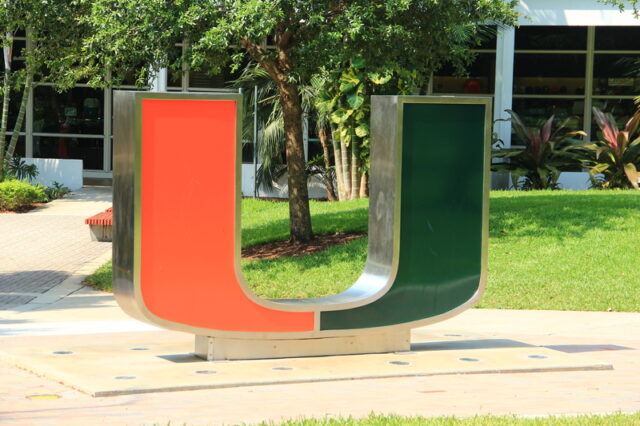
At the University of Miami — long a hotbed for viral careers in the making — influencer culture has moved from the fringes into the heart of campus life. With palm‑lined walkways, a scenic pool, and alumni like Alix Earle (who now boasts millions of followers), the school has become a breeding ground for students hoping to turn likes into a lifestyle.
That success story has a shadow side. What started as one student’s tearful TikTok lament about being overlooked transformed into a full‑blown social media showdown. Freshman micro‑influencer Sienna Long, 18, interviewed for the campus paper but not featured on the cover, posted a deeply emotional video saying she “just doesn’t feel appreciated right now.”
Enter fellow freshman macro‑influencer Nikki Pindor, who holds more than ten times Long’s follower count and did make the cover. Pindor parodied Long’s content and even posted a tongue‑in‑cheek meditation on “under‑appreciated micro‑influencers.” The exchange didn’t stay confined to TikTok. It quickly drew attention from the student newspaper and national tabloids alike.
The drama escalated enough for the university’s dean of students to intervene. Pindor was instructed via email: “Under no circumstances should you have any form of contact with Sienna Long.” The meeting that followed left Pindor shaken — and watching her every move.

The episode illuminates a much larger phenomenon: the monetisation of student life. At the University of Miami, “influencing” is not just extracurricular — it’s a business. Students like senior Sky Solomon talk of filming between classes, skipping dining halls because of paparazzi‑style attention, and earning five‑figure sponsorships.
Still, the landscape is complicated. Long’s emotional backlash drew hate comments, death threats, and a reassessment of the “dream” she was chasing. Meanwhile, Pindor launched merchandise proclaiming “Micro‑influencer / Underappreciated” and acknowledged: “We’re just entertainment … unless you’re raising awareness for something real, your contribution isn’t that deep.”
The University of Miami may be doing influencer culture well — but for some students, the pressure to post, brand, and perform is turning campus life into content production at the cost of an authentic college experience.
Source:
Disclaimer
Artificial Intelligence Disclosure & Legal Disclaimer
AI Content Policy.
To provide our readers with timely and comprehensive coverage, South Florida Reporter uses artificial intelligence (AI) to assist in producing certain articles and visual content.
Articles: AI may be used to assist in research, structural drafting, or data analysis. All AI-assisted text is reviewed and edited by our team to ensure accuracy and adherence to our editorial standards.
Images: Any imagery generated or significantly altered by AI is clearly marked with a disclaimer or watermark to distinguish it from traditional photography or editorial illustrations.
General Disclaimer
The information contained in South Florida Reporter is for general information purposes only.
South Florida Reporter assumes no responsibility for errors or omissions in the contents of the Service. In no event shall South Florida Reporter be liable for any special, direct, indirect, consequential, or incidental damages or any damages whatsoever, whether in an action of contract, negligence or other tort, arising out of or in connection with the use of the Service or the contents of the Service.
The Company reserves the right to make additions, deletions, or modifications to the contents of the Service at any time without prior notice. The Company does not warrant that the Service is free of viruses or other harmful components.