Retail is undergoing a seismic shift driven by shifting consumer habits, economic uncertainty, and emerging technological advancements. Businesses that once thrived on traditional models are now pushed to reinvent themselves to stay competitive. According to Mohmed Yusuf Belim, success depends on how quickly retailers can adapt to change and respond to the shifting needs of customers and employees. From refining operational agility to empowering a flexible workforce, the industry’s future belongs to those who embrace innovation and resilience.
Navigating Today’s Retail Challenges
Retailers today are operating in a market that looks vastly different from just a few years ago. The rapid shift to digital commerce, fluctuating consumer expectations, and ongoing global disruptions have compelled many businesses to reassess their operational strategies. From sudden supply chain breakdowns to inflationary pressures, the sector remains unpredictable.
Brands that once relied heavily on brick-and-mortar traffic now face pressure to meet customers where they are—often online and expecting fast, seamless service. A clear sign of this shift is the rise of curbside pickup and same-day delivery, both of which have become standard for many retailers. The workforce has also changed, with businesses needing to address employee expectations around flexibility and workplace safety. Some retailers have responded by redesigning store layouts or offering hybrid roles to support new demands.
The Role of Adaptability in Business Resilience
Adaptability has become a defining trait of successful retail operations. Retailers that pivoted swiftly during economic downturns or lockdowns often found new ways to connect with consumers and streamline their operations. Some even launched new product lines or digital services that became permanent revenue streams.

Take brands that diversified their sales channels or restructured supply chains—they were able to maintain momentum while others faltered. Those unwilling to evolve, clinging to outdated models, struggled to stay relevant.
Responding to Consumer Shifts
Today’s shoppers move fluidly, valuing speed, convenience, and personalization. Meeting these expectations requires more than just an online presence; it demands a deep understanding of customer preferences. Retailers who leverage customer insights to tailor experiences often see stronger loyalty and higher conversion rates.
Digital-native consumers expect curated recommendations, easy returns, and seamless checkouts. Businesses that adjust their offerings based on browsing patterns or purchase history can create a more engaging experience. Behavior is also influenced by values—many shoppers now prioritize sustainability, prompting brands to rethink sourcing, packaging, and transparency.
Integrating Technology for Smarter Retail
Technology is at the core of every retail strategy. Artificial intelligence and predictive analytics are shaping everything from inventory management to personalized marketing. Retailers who use these tools effectively can anticipate demand shifts, minimize waste, and offer tailored promotions that resonate with individual buyers.
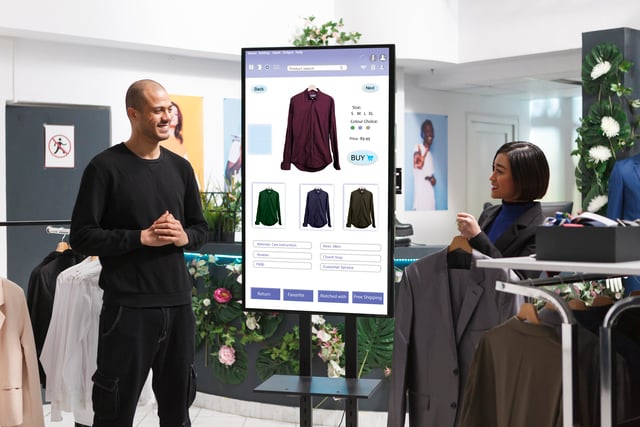
Consumers expect a seamless experience whether they’re browsing in-store, shopping online, or using a mobile app. Brands that synchronize these touchpoints often deliver smoother service and keep customers engaged across platforms. Some retailers are even using augmented reality to bridge the gap between physical and digital shopping.
Having a Flexible and Skilled Workforce
A workforce that can pivot quickly, learn new tools, and embrace change is a major asset for today’s retailers. Businesses that invest in upskilling and cross-functional training tend to respond better to unexpected challenges and seasonal fluctuations. Employees who feel equipped to handle a variety of tasks are often more engaged and productive.
Leadership plays a critical role in fostering this flexibility. Teams that feel empowered to contribute ideas and take initiative are more likely to innovate and adjust during times of disruption. A culture that values agility often attracts and retains employees who thrive in dynamic settings. Some organizations have introduced mentorship programs and peer-to-peer learning to support this adaptive mindset.
Operational Strategies for Long-Term Agility
Sustainable agility comes from designing systems that can scale and shift without losing momentum. Retailers that build modular processes and flexible infrastructure are better equipped to test new ideas and respond to market shifts without major overhauls. Incorporating automation and real-time data analysis can also help decision-makers act with greater speed and accuracy. When businesses stay alert to emerging trends and are willing to experiment, they can pivot faster and more confidently, no matter what the market throws their way.
Disclaimer
Artificial Intelligence Disclosure & Legal Disclaimer
AI Content Policy.
To provide our readers with timely and comprehensive coverage, South Florida Reporter uses artificial intelligence (AI) to assist in producing certain articles and visual content.
Articles: AI may be used to assist in research, structural drafting, or data analysis. All AI-assisted text is reviewed and edited by our team to ensure accuracy and adherence to our editorial standards.
Images: Any imagery generated or significantly altered by AI is clearly marked with a disclaimer or watermark to distinguish it from traditional photography or editorial illustrations.
General Disclaimer
The information contained in South Florida Reporter is for general information purposes only.
South Florida Reporter assumes no responsibility for errors or omissions in the contents of the Service. In no event shall South Florida Reporter be liable for any special, direct, indirect, consequential, or incidental damages or any damages whatsoever, whether in an action of contract, negligence or other tort, arising out of or in connection with the use of the Service or the contents of the Service.
The Company reserves the right to make additions, deletions, or modifications to the contents of the Service at any time without prior notice. The Company does not warrant that the Service is free of viruses or other harmful components.