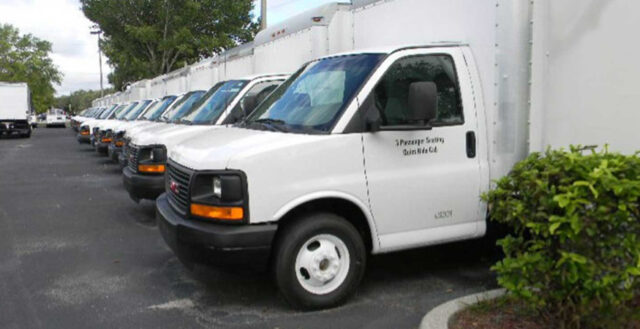
For Florida business owners facing growth opportunities, expanding your commercial fleet often feels like a financial tightrope walk. The good news? Buying used trucks offers a practical path to doubling your vehicle capacity while keeping your budget remarkably lean. Whether you’re running a delivery service in Orlando, managing a moving company in Tampa, or operating a utility business in Jacksonville, pre-owned commercial vehicles can unlock the expansion you need without the new-vehicle price tag.
Why Used Commercial Vehicles Make Financial Sense
The numbers tell a compelling story. New commercial trucks can depreciate by 20-30% within the first year alone. When you purchase off-lease or gently used vehicles, someone else has already absorbed that initial depreciation hit. This means you’re accessing quality fleet vehicles at 40-60% of their original sticker price—allowing you to acquire two or even three trucks for what you’d spend on a single new unit.
Central Florida dealers like Longwood Truck Center specialize in sourcing these off-lease commercial vehicles, offering businesses access to well-maintained trucks that have been professionally serviced throughout their lease terms. These vehicles typically come from corporate fleets where regular maintenance was part of the lease agreement, giving buyers confidence in their condition.
What Should You Look for When Evaluating Pre-Owned Fleet Vehicles?
When evaluating used commercial trucks, prioritize maintenance records, actual mileage verification, and mechanical inspections over cosmetic appearance. Most commercial vehicles show wear on the exterior, but a truck with documented service history and strong engine diagnostics will outperform a pretty truck with gaps in its maintenance story.

Focus on these critical evaluation points:
Service History Documentation: Complete maintenance records indicate responsible previous ownership. Look for regular oil changes, brake service, and transmission maintenance.
Actual Use Context: A box truck used for local deliveries with 80,000 highway miles often has less wear than one with the same mileage from constant stop-and-go city routes. Understanding how the vehicle was previously used matters as much as the odometer reading.
Structural Integrity: For box trucks and cargo vans, examine the cargo area carefully. Check for water damage, floor deterioration, or structural stress points. These repairs can be costly if discovered after purchase.
Title Verification: Always run a vehicle history report. Clean titles with documented ownership chains reduce risk and protect your investment.
Understanding Depreciation and Total Cost of Ownership
Smart fleet managers think beyond the purchase price. While buying used trucks dramatically reduces your initial capital outlay, understanding the total cost of ownership helps you budget accurately for the long term.
Depreciation works in your favor with used commercial vehicles. A three-year-old truck has already experienced its steepest depreciation curve. Your vehicle will hold its value more predictably over your ownership period, meaning better resale value when you’re ready to upgrade again.
Insurance costs typically run lower on used vehicles, and in Florida’s competitive market, you’ll find financing options specifically designed for commercial fleet purchases. Many lenders offer terms that align with the working life expectancy of used trucks—typically 5-7 years for well-maintained commercial vehicles.
Maintenance Planning for Your Expanded Fleet
How often should used commercial trucks be serviced? Used commercial vehicles require consistent maintenance every 5,000-7,000 miles or every six months, whichever comes first, with more frequent inspections for high-use delivery routes.
Establishing relationships with qualified commercial vehicle service centers before you need emergency repairs saves both time and money. In Florida’s climate, pay special attention to:
- Air conditioning systems (crucial for driver comfort and cargo protection)
- Cooling systems (Florida heat tests engine components)
- Tire condition and alignment (affects fuel efficiency significantly)
- Electrical systems (especially important for lift gates and cargo area features)
Many dealers offer post-purchase service capabilities, including lift gate installation and box truck repairs, which streamlines your maintenance logistics when you’re managing multiple vehicles.
Financing Strategies That Make Fleet Expansion Possible
Commercial vehicle financing has evolved significantly. Used truck loans typically offer terms from 36 to 72 months, with interest rates based on your business credit profile and the vehicle’s age. Many Florida business owners successfully use a combination approach:
Purchase your highest-use vehicles outright to avoid interest costs, then finance secondary trucks that will have lower annual mileage. This strategy preserves working capital while building fleet capacity. Some buyers also leverage equipment financing lines of credit, which provide flexibility to acquire multiple vehicles as inventory becomes available.
The Florida Advantage: Climate and Market Conditions
Florida’s commercial vehicle market offers unique advantages. The absence of winter road salt means used trucks from Florida operations typically have less corrosion than vehicles from northern states. Additionally, Florida’s robust logistics and delivery economy creates steady turnover in commercial fleets, providing consistent inventory of off-lease vehicles.
The state’s extensive highway system and relatively flat terrain also mean commercial trucks here often experience less strain than those operated in mountainous regions. When evaluating vehicles, prioritize those with documented Florida operation history when possible.
Key Takeaways
- Used commercial trucks cost 40-60% less than new vehicles while offering comparable functionality
- Off-lease vehicles from corporate fleets typically have documented maintenance histories
- Prioritize mechanical condition and service records over cosmetic appearance
- Used vehicles have already absorbed steep initial depreciation, protecting your investment
- Florida’s climate and market conditions favor used commercial vehicle purchases
- Plan for regular maintenance every 5,000-7,000 miles to maximize vehicle lifespan
- Combination financing strategies can preserve capital while building fleet capacity
- Always verify vehicle titles and run comprehensive history reports before purchase
Building Your Fleet Intelligently
Expanding your business through buying used trucks isn’t just about saving money—it’s about making strategic investments that fuel sustainable growth. By carefully evaluating vehicle condition, understanding total ownership costs, and leveraging Florida’s favorable commercial vehicle market, you can double your fleet capacity while maintaining healthy cash flow. The key lies in viewing each purchase as a long-term asset rather than simply a lower-priced alternative, ensuring each vehicle contributes to your operational efficiency for years to come.
Disclaimer
Artificial Intelligence Disclosure & Legal Disclaimer
AI Content Policy.
To provide our readers with timely and comprehensive coverage, South Florida Reporter uses artificial intelligence (AI) to assist in producing certain articles and visual content.
Articles: AI may be used to assist in research, structural drafting, or data analysis. All AI-assisted text is reviewed and edited by our team to ensure accuracy and adherence to our editorial standards.
Images: Any imagery generated or significantly altered by AI is clearly marked with a disclaimer or watermark to distinguish it from traditional photography or editorial illustrations.
General Disclaimer
The information contained in South Florida Reporter is for general information purposes only.
South Florida Reporter assumes no responsibility for errors or omissions in the contents of the Service. In no event shall South Florida Reporter be liable for any special, direct, indirect, consequential, or incidental damages or any damages whatsoever, whether in an action of contract, negligence or other tort, arising out of or in connection with the use of the Service or the contents of the Service.
The Company reserves the right to make additions, deletions, or modifications to the contents of the Service at any time without prior notice. The Company does not warrant that the Service is free of viruses or other harmful components.