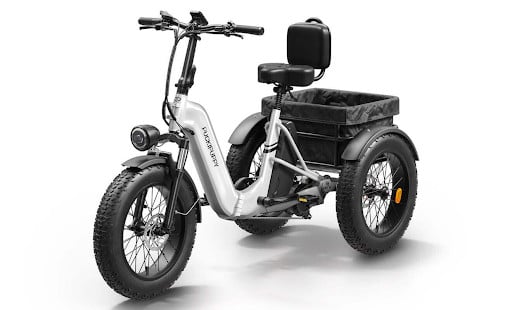
The evolution of personal mobility solutions has brought forth a significant innovation in the form of electric tricycles. These three-wheeled vehicles represent more than just an alternative transportation method; they serve as a practical solution for individuals facing mobility challenges. The growing adoption of electric tricycles demonstrates their effectiveness in addressing common limitations faced by seniors and those with physical constraints.
Electric tricycles combine traditional cycling benefits with modern electrical assistance, creating a unique transportation platform that prioritizes stability and accessibility. This comprehensive examination explores the technical specifications, practical applications, and long-term benefits of electric tricycles specifically designed for users with mobility considerations.
Technical Design and Stability Features
The fundamental architecture of electric tricycles centers around a three-point contact system that provides inherent stability absent in conventional bicycles. This triangular configuration distributes weight evenly across all wheels, eliminating the balancing demands typically associated with two-wheeled vehicles. The engineering principles behind this design ensure that riders can maintain equilibrium during stationary periods and low-speed maneuvers, significantly reducing fall risks.
Manufacturers typically employ low-center-of-gravity designs coupled with wider wheelbases to enhance stability further. The standard electric tricycle features wheel spans between 24 to 26 inches with tire widths exceeding 3 inches, creating a substantial footprint that resists tipping. Additionally, the frame geometry incorporates reinforced joints and strategic weight distribution to optimize handling characteristics for users with limited mobility.

The fundamental architecture of electric tricycles differs significantly from standard electric bicycles (ebikes) in its core stability approach. While conventional ebikes rely on rider balance for stability, the three-point contact system of electric tricycles provides inherent equilibrium that eliminates balancing demands.
Power Systems and Performance Specifications
Modern electric tricycles utilize sophisticated power management systems comprising three core components: the electric motor, battery pack, and control electronics. The propulsion systems generally fall into two categories: hub motors integrated within the wheels and mid-drive motors connected to the pedal crankshaft. Hub motor configurations, particularly rear-wheel installations, provide direct drive capability with minimal maintenance requirements, while mid-drive systems offer improved torque management for inclined terrain.
Battery technology has evolved to incorporate lithium-ion cells arranged in various configurations, typically ranging from 36V to 48V systems with capacities between 10Ah and 20Ah. These power sources deliver operational ranges from 20 to 50 miles per charge, depending on riding conditions, terrain difficulty, and assist level utilization. The control systems feature multiple assistance modes that allow riders to customize power delivery based on their physical capabilities and route requirements.
Accessibility Design and Customization Options
Electric tricycle manufacturers have developed numerous accessibility features to accommodate diverse mobility needs. Step-through frame designs represent the most significant innovation, eliminating the high crossbar traditionally found on bicycles. This structural approach enables riders to mount and dismount without lifting their legs excessively, addressing a crucial accessibility barrier for individuals with hip or knee limitations.
Customization options extend to seating configurations, with manufacturers offering orthopedic seats with backrests, adjustable armrests, and specialized suspension systems that absorb road vibrations. The seating position emphasizes upright posture to reduce spinal compression and improve visibility. Additional adaptive components include extended brake levers requiring minimal hand pressure, electronic shifting systems, and thumb-controlled throttles for users with limited grip strength.
Practical Applications and Daily Utility
The functional design of electric tricycles supports various practical applications beyond basic transportation. The integrated cargo capacity, typically through rear baskets or front storage compartments, enables users to transport groceries, medical equipment, or personal items without compromising stability. The load-bearing capacity generally ranges from 200 to 400 pounds, including the rider’s weight, making these vehicles suitable for diverse practical needs.
Urban and suburban environments provide ideal settings for electric tricycle usage. The vehicles navigate standard bicycle lanes while maintaining speeds compatible with local regulations, typically reaching 15-20 mph with electrical assistance. The quiet operation of the electric motors minimizes noise pollution while the zero-local-emissions profile supports environmental sustainability initiatives. Many users report expanded activity ranges and increased social participation due to the reliable transportation solution these vehicles provide.
Safety Considerations and Operational Guidelines
Safety engineering incorporates multiple redundant systems to protect riders with mobility challenges. The braking systems typically feature dual-circuit hydraulic disc brakes that provide consistent stopping power regardless of weather conditions. Additional safety elements include comprehensive lighting systems with automatic activation, reflectors positioned for maximum visibility, and auditory warning devices that alert pedestrians and other path users.
Operational protocols emphasize progressive familiarization with the vehicle’s characteristics. New users should initiate their experience in controlled environments with minimal traffic to develop confidence in handling and maneuvering. Understanding the unique turning radius of three-wheeled vehicles represents a crucial learning component, as the steering dynamics differ significantly from traditional bicycles. Regular maintenance checks, particularly focusing on tire pressure, brake function, and battery charge levels, ensure consistent performance and safety.
Conclusion
Electric tricycles represent a viable transportation solution that effectively addresses mobility limitations through thoughtful engineering and accessible design. The combination of stable platforms, adjustable power assistance, and customizable features creates an inclusive mobility option that promotes independence while accommodating physical constraints.
The continued development of battery technology, motor efficiency, and adaptive components suggests expanding capabilities for future electric tricycle models. As urban infrastructure evolves to accommodate diverse transportation modes, electric tricycles occupy an important niche between conventional bicycles and motorized scooters, offering a balanced approach to personal mobility that prioritizes safety, accessibility, and practical utility.
Disclaimer
Artificial Intelligence Disclosure & Legal Disclaimer
AI Content Policy.
To provide our readers with timely and comprehensive coverage, South Florida Reporter uses artificial intelligence (AI) to assist in producing certain articles and visual content.
Articles: AI may be used to assist in research, structural drafting, or data analysis. All AI-assisted text is reviewed and edited by our team to ensure accuracy and adherence to our editorial standards.
Images: Any imagery generated or significantly altered by AI is clearly marked with a disclaimer or watermark to distinguish it from traditional photography or editorial illustrations.
General Disclaimer
The information contained in South Florida Reporter is for general information purposes only.
South Florida Reporter assumes no responsibility for errors or omissions in the contents of the Service. In no event shall South Florida Reporter be liable for any special, direct, indirect, consequential, or incidental damages or any damages whatsoever, whether in an action of contract, negligence or other tort, arising out of or in connection with the use of the Service or the contents of the Service.
The Company reserves the right to make additions, deletions, or modifications to the contents of the Service at any time without prior notice. The Company does not warrant that the Service is free of viruses or other harmful components.