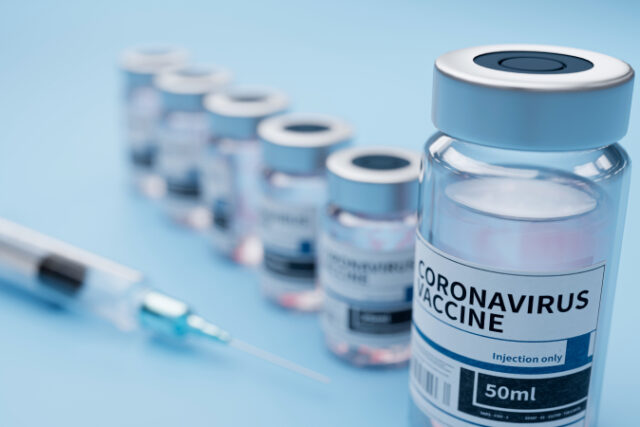
The Food and Drug Administration (FDA) has significantly expanded its ongoing safety probe, now including an investigation into whether COVID-19 vaccines may be linked to adult fatalities. This broadening of the inquiry follows an earlier internal assessment, disclosed last month, that controversially suggested a link between the immunizations and the deaths of at least ten children.
A spokesman for the Department of Health and Human Services (HHS), Andrew Nixon, confirmed the comprehensive nature of the agency’s work, stating, “FDA is doing a thorough investigation, across multiple age groups, of deaths potentially related to coronavirus vaccines.” News of the inclusion of adult deaths was first reported by Bloomberg, marking a pivotal moment in the federal health establishment’s scrutiny of the widely administered shots.
The controversy began with an internal memo from Dr. Vinay Prasad, director of the FDA’s Center for Biologics Evaluation and Research (CBER), which alleged that an initial review of reports in the Vaccine Adverse Event Reporting System (VAERS) linked a number of pediatric deaths to the vaccine. Public health experts and former FDA commissioners have been quick to question the claims, pointing out that Dr. Prasad has not publicly released the underlying data or an explanation of the methodology used to establish causality. VAERS is a passive surveillance system designed to flag potential issues, but reports alone cannot establish a causal relationship and require further investigation through more robust systems like the Vaccine Safety Datalink (VSD) or the Sentinel BEST (Biologics Effectiveness and Safety) System.
Critics, including a dozen former FDA commissioners writing in the New England Journal of Medicine, have argued that basing major regulatory changes on unverified VAERS data could undermine the established framework for vaccine approval and threaten public health efforts. The investigation, which is being overseen by HHS Secretary Robert F. Kennedy Jr., who has a history of promoting anti-vaccine sentiments, has created alarm among the public health community.

Vaccine safety has been intensely monitored since the pandemic began. Previous extensive studies and safety surveillance systems have generally affirmed the overall safety profile of the COVID-19 vaccines, finding that serious adverse events, such as myocarditis, are rare and the risk of the condition is significantly higher following a coronavirus infection than after vaccination. Furthermore, multiple studies have indicated that people who receive COVID-19 vaccines are less likely to die from COVID-19 or related complications than those who are unvaccinated.
In addition to the COVID-19 vaccine probe, the FDA is reportedly reviewing the safety of preventive treatments for Respiratory Syncytial Virus (RSV), having contacted manufacturers such as Merck and Sanofi/AstraZeneca. This multi-front safety review underscores the current health administration’s heightened focus on vaccine and therapeutic safety. Health officials have pledged to release documents detailing the investigation’s framework and the data supporting their conclusions soon. Until then, public health experts continue to urge transparency and a rigorous, data-driven approach to maintain public confidence in immunization programs.
Sources and Links
- FDA to investigate whether adult deaths linked to coronavirus vaccine – The Washington Post
- FDA official, without providing data, claims link between COVID-19 vaccines and pediatric deaths – CBS News
- Former FDA heads, Sen Cassidy push back on FDA official’s claim of 10 COVID vaccine deaths – CIDRAP – Center for Infectious Disease Research and Policy
- COVID-19 Vaccine Safety Surveillance – U.S. Food and Drug Administration (FDA)
- Coronavirus Disease 2019 (COVID-19) Vaccine Safety – Centers for Disease Control and Prevention (CDC)
- FDA Memo Linking COVID Vaccines to Child Deaths May Boost Uncertainty Among Parents – KFF (Kaiser Family Foundation)
Disclaimer
Artificial Intelligence Disclosure & Legal Disclaimer
AI Content Policy.
To provide our readers with timely and comprehensive coverage, South Florida Reporter uses artificial intelligence (AI) to assist in producing certain articles and visual content.
Articles: AI may be used to assist in research, structural drafting, or data analysis. All AI-assisted text is reviewed and edited by our team to ensure accuracy and adherence to our editorial standards.
Images: Any imagery generated or significantly altered by AI is clearly marked with a disclaimer or watermark to distinguish it from traditional photography or editorial illustrations.
General Disclaimer
The information contained in South Florida Reporter is for general information purposes only.
South Florida Reporter assumes no responsibility for errors or omissions in the contents of the Service. In no event shall South Florida Reporter be liable for any special, direct, indirect, consequential, or incidental damages or any damages whatsoever, whether in an action of contract, negligence or other tort, arising out of or in connection with the use of the Service or the contents of the Service.
The Company reserves the right to make additions, deletions, or modifications to the contents of the Service at any time without prior notice. The Company does not warrant that the Service is free of viruses or other harmful components.